
.jpg)



UK digital infrastructure capacity is expected to at least double this decade while nature capacity is emerging as a core determinant of where and how data centres can scale and operate.
Digital infrastructure blockers: The UK is entering a period of rapid digital infrastructure expansion, driven by AI, cloud and accelerating data demand. Historically, delivery risk has been dominated by power availability, land access and planning timelines. However, a fourth constraint is now emerging: nature system capacity, including water basin availability, land system resilience and local ecological limits.
Nature and digital infrastructure: In parts of the UK and neighbouring markets, these constraints are already influencing site viability, permitting scrutiny and long-term operational certainty. The purpose of the following slides is to provide a strategic overview of how nature and resource constraints are emerging as core variables in UK digital infrastructure delivery, performance and capital strategy.

Nature already shapes where data centres can be built, how they operate, and how they are financed.
1. Ecosystem Dependency. Data centres are physically dependent on stable natural systems. Cooling performance depends on water access, thermal discharge is constrained by river ecosystem tolerance, and flood and heat exposure are shaped by surrounding land and vegetation systems. As capacity increased, these dependencies translate directly into mitigating risk, cooling cost volatility and, in some locations, fundamental site viability constraints.
2. Land Use. Data centres are large physical infrastructure assets that interact directly with surrounding ecosystems and communities. Biodiversity requirements, habitat fragmentation and increasing environmental pressure are influencing site design, planning outcomes and mitigation requirements. Nature is therefore shifting from a permitting consideration to a core delivery issue, with direct implications for timelines, capex and planning approval risk.
3. Upstream Nature Exposure. Nature exposure is embedded across the infrastructure and hardware supply chain. Core materials and components, including cement, steel, copper and semiconductors are linked to land use change, water stress and ecosystem disruption in upstream regions. As regulation and disclosure expectations evolve, these exposures are increasingly translating into transition risk, supplier disruption risk and future capital and disclosure pressure.
Nature-related constraints are already influencing data centre siting, permitting, community acceptance and capital expectations across the UK and neighbouring markets.
Catchment Water Stress. Catchment water stress is already increasing regulatory and community scrutiny of large new water users. In higher-stress basins, water availability is increasingly becoming a permitting and operational continuity issue. This makes cooling strategies and long-term water access a strategic infrastructure decision.
Planning & Community Scrutiny: Planning teams are looking more closely at how much pressure an area is already under, especially in regions with lots of infrastructure. Data centres are now being assessed alongside other large resource users, which can mean more challenge during planning, longer timelines and higher expectations on environmental performance.
Biodiversity Net Gain. BNG is already changing how sites are designed, how much land can be developed and how much mitigation costs. In tight land markets, biodiversity requirements are starting to influence where data centres can realistically be built and at what cost. This makes early nature screening essential and increasing the cost gap between brownfield and greenfield sites.
Investor & Disclosure Pressure. Nature risk is moving from something companies choose to report on to something investors and regulators are starting to expect. Even where it isn’t yet mandatory, operators are increasingly expected to explain how nature risk could affect individual assets and whole portfolios.
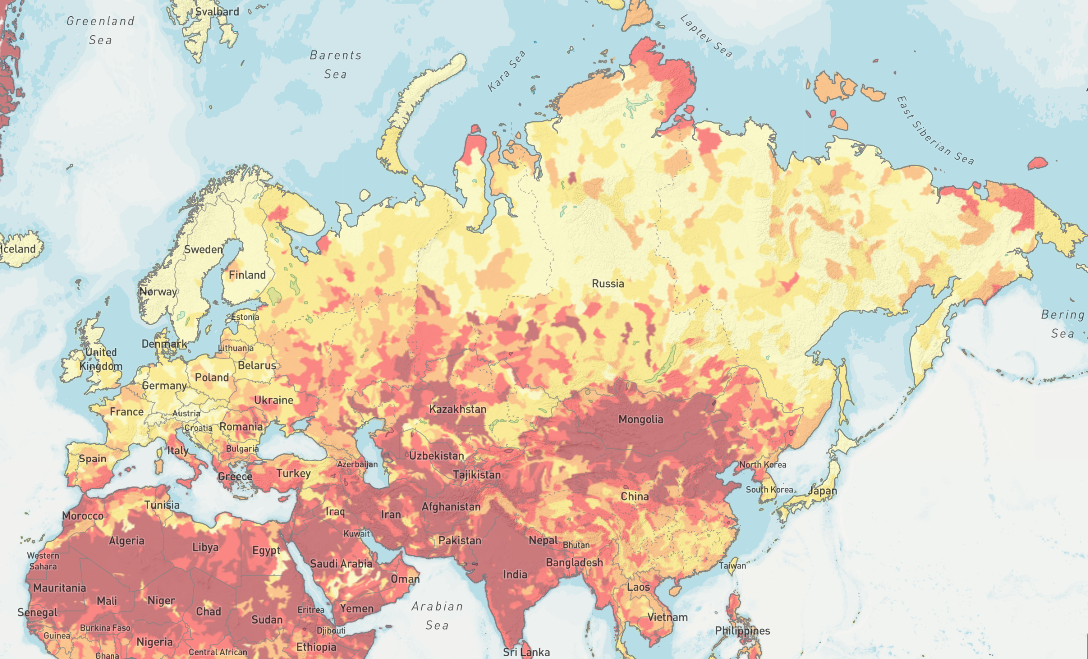
Nature constraints are translating directly into delivery risk, cost variability, operational exposure and capital scrutiny across digital infrastructure.
Schedule Risk. Nature and resource constraints are starting to affect whether projects get approved and how long approval takes. Sites in water-stressed or environmentally sensitive areas are already seeing tougher scrutiny, more mitigation work and less predictable planning timelines.
Capex Risk. Nature and water constraints are starting to shape how sites are designed and where money gets spent. When these issues are picked up late, mitigation costs become harder to predict and can rise quickly.
Operational Risk. Cooling performance, water availability and local climate conditions are becoming more variable across regions. In higher-stress areas, this can increase the risk of being forced to reduce capacity, drive cooling cost volatility and create long-term operational uncertainty.
Capital Risk. Investors and lenders are starting to look more closely at how nature risk could affect infrastructure assets. They increasingly expect operators to explain how nature could impact individual sites and whole portfolios during due diligence and investment decisions.

