




Case studies


The EU Deforestation Regulation (EUDR) is a law that requires companies to prove that certain products sold in the EU are not linked to deforestation or forest degradation — using real data, precise locations, and clear accountability.
To place products on the EU market, companies must meet three key conditions:
The EUDR focuses on seven key commodities. These commodities represent the core scope of the EUDR. Specific in-scope products are defined in Annex I of the regulation.

The EUDR applies across global supply chains, from producers and exporters to manufacturers, traders, and retailers. Responsibilities vary, but all actors must contribute to ensuring products placed on the EU market are compliant.

Operators are companies that place relevant products on the EU market for the first time, or export them from the EU.
They carry the primary legal responsibility under the EU Deforestation Regulation (EUDR) and must ensure that all products are compliant before they are sold

Traders are companies that buy and sell relevant products within the EU market. Their obligations depend on their size:
1. Large traders have similar responsibilities to operators, including due diligence requirements
2. SMEs have lighter obligations but must still ensure traceability and maintain records
Traders play a key role in maintaining transparency across the supply chain and must ensure that products they handle are linked to valid Due Diligence Statements.
Companies based outside the EU are still directly impacted if they sell products into the EU market.
While they may not be legally classified as operators or traders under EU law, they are required to provide the data and evidence needed for EU-based partners to comply. In practice, this means:
1. Providing geolocation data for production sites
2. Supporting traceability across the supply chain
3. Demonstrating compliance with deforestation and legality requirements3.
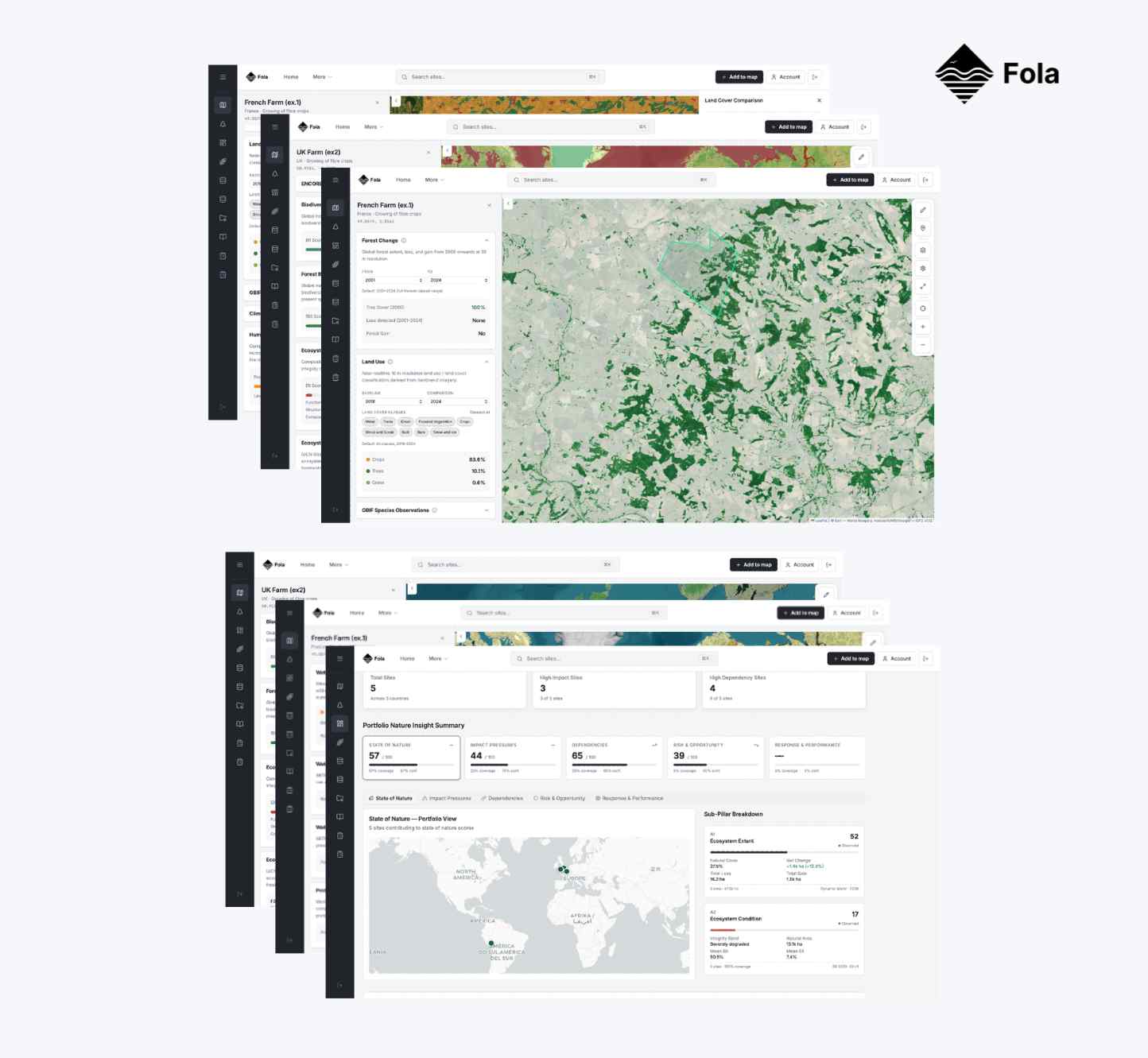
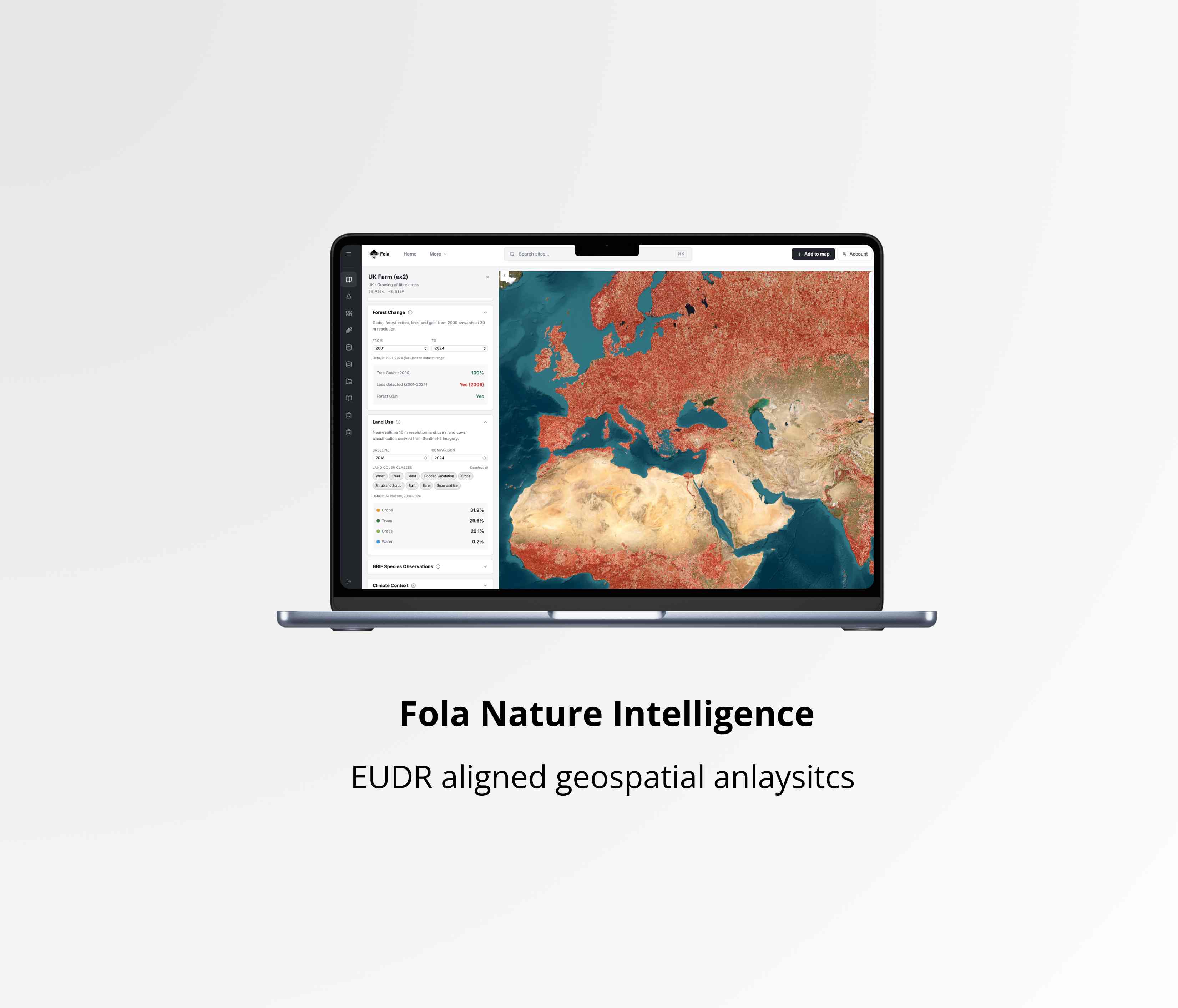
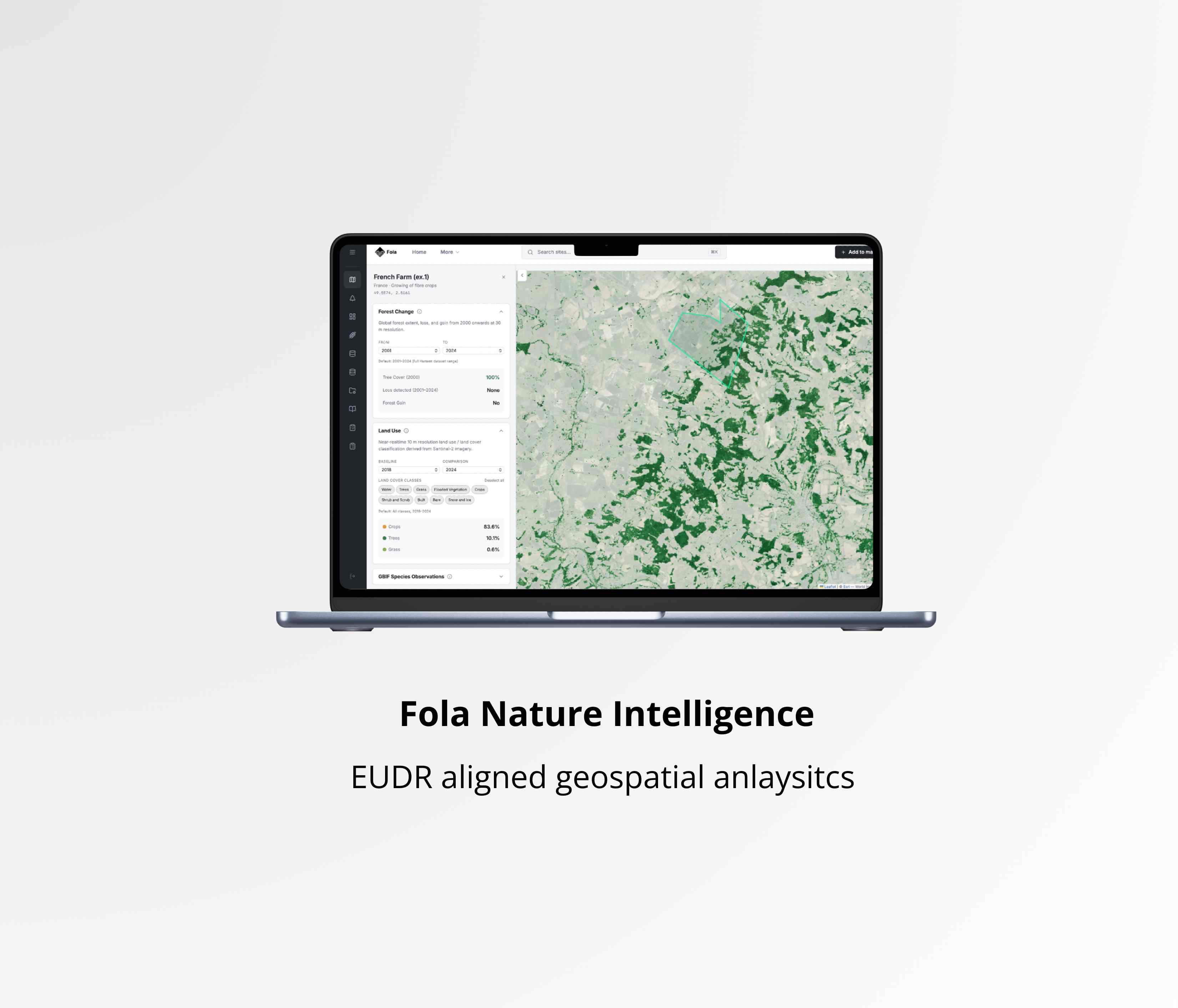
Utilising our bespoke methodologies and tools, you will achieve the following outcomes:

A clear, defensible view of what is in scope, where your risks sit, and what actions are required.


End-to-end traceability from product to production site, supported by structured and verified data.

We take you from initial scoping through to fully operational, audit-ready compliance - with no gaps between strategy, data, and execution.

We combine supply chain data, geolocation, and geospatial analysis into one system - creating a single, consistent source of truth.
Our structured approach and tools reduce delays, rework, and fragmentation - enabling faster progress to compliant, defensible outcomes.
Our modular approach reduces reliance on large teams and manual processes - delivering high-quality outcomes in a cost-effective way.